West Hampton homeowners face a unique set of circumstances for heating their properties, especially as fall approaches and the demands of the coming winter months loom on the horizon. Many of the residences throughout West Hampton were constructed in earlier decades, with a significant portion of the housing stock dating back to the mid-twentieth century or earlier. These older homes, while charming and full of character, often feature heating systems that have been in place for decades—or that have undergone transitions from one fuel source to another without the necessary updates to supporting infrastructure. Oil heat has long been the default for homes on Long Island, including those across West Hampton and neighboring communities like Quogue and East Quogue.
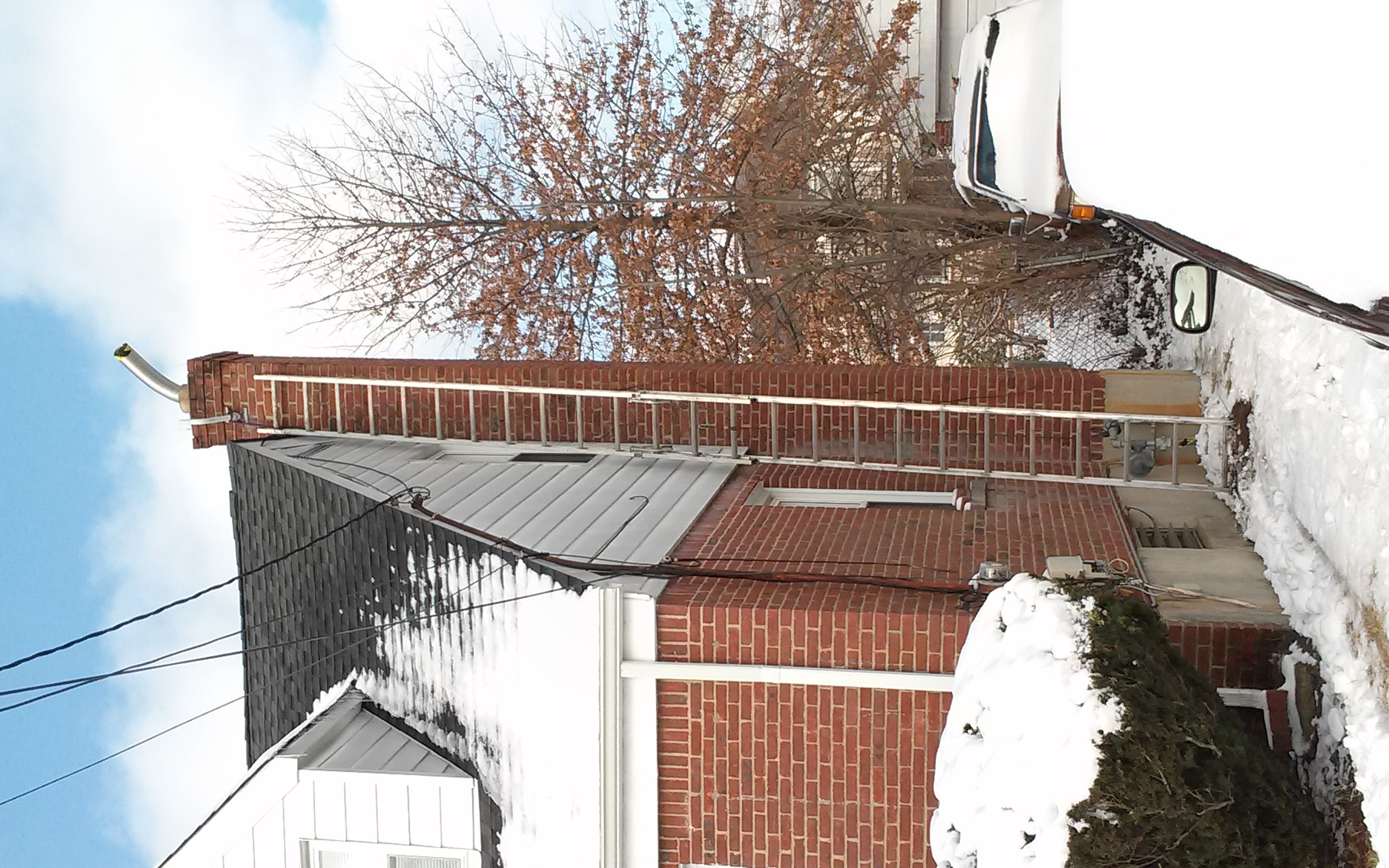
However, as homeowners look to modernize their heating systems, reduce energy costs, and lower their environmental footprint, the shift from oil-fired furnaces to natural gas or propane systems has become increasingly common. What many West Hampton residents don't realize, though, is that converting from an oil heating system to gas isn't simply a matter of swapping out the furnace. The entire flue system—including the chimney and liner, must be evaluated and often completely rebuilt to handle the different exhaust characteristics of a gas-fired appliance. This is where stainless steel chimney liner installation becomes not just a smart upgrade, but a necessary one for homes making the transition.
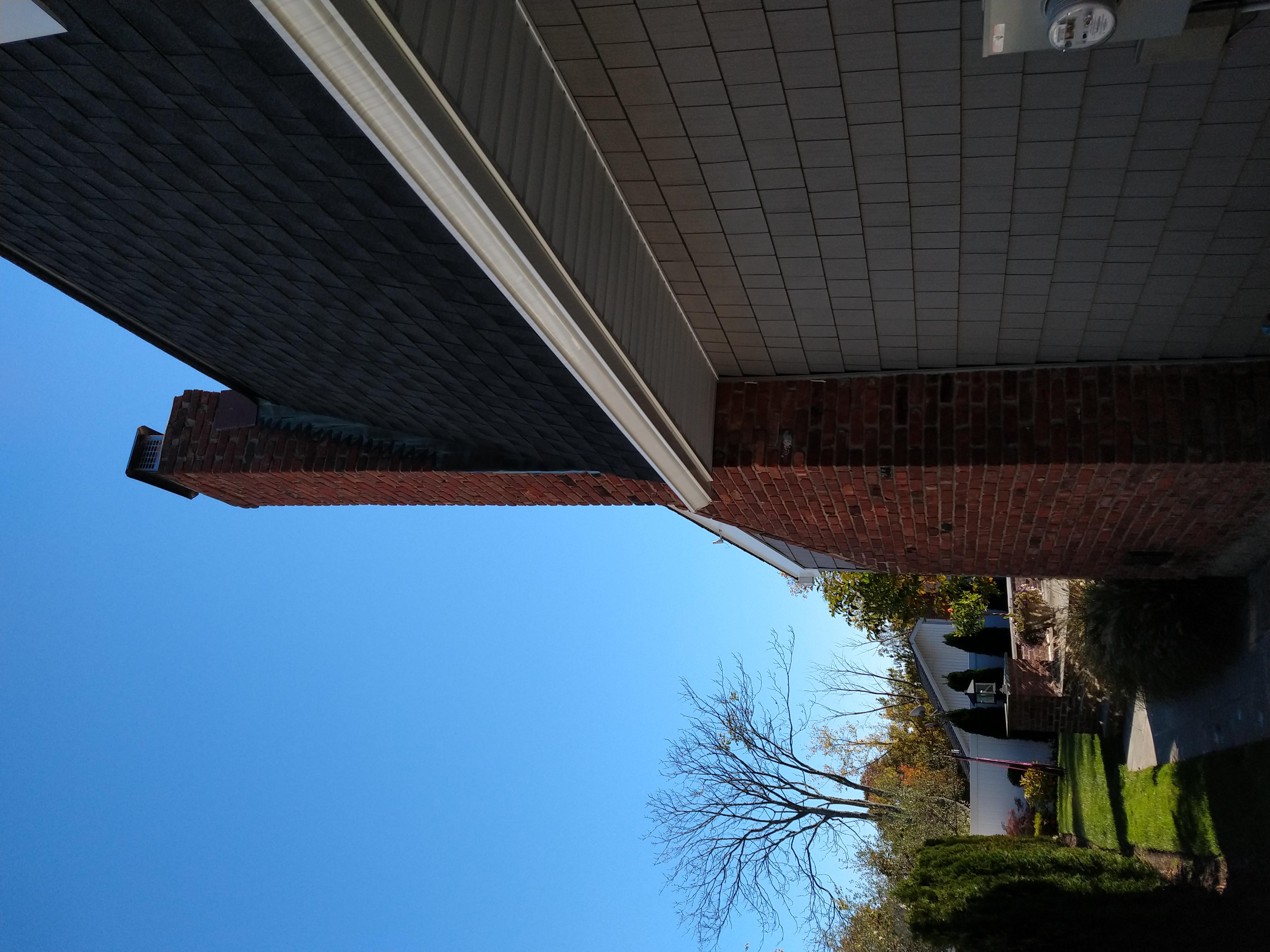
The geographical position of Westhampton, situated between water bodies and bays throughout Suffolk County, means that chimneys face specific weather challenges year-round. Higher humidity levels, rapid temperature fluctuations, and wind-driven rain all accelerate the deterioration of older chimney materials. Masonry chimneys constructed decades ago in homes throughout Westhampton were often built without liners at all, or with clay tile liners that have since crumbled, cracked, or deteriorated beyond safe operation. The corrosive environment created by exposure to moisture and weather, combined with the freeze-thaw cycles that occur during cold weather, creates conditions that are particularly harsh on unlined or poorly lined chimneys.
When a homeowner in West Hampton is considering a conversion from oil heat to gas, the existing chimney system almost certainly won't be adequate for the job. Gas appliances produce different exhaust temperatures and moisture content than oil systems, and they require a properly sized, smooth-walled liner to function safely and efficiently. Stainless steel chimney liners are engineered to withstand these conditions and to maintain their integrity year after year, even in the challenging environment that West Hampton residents contend with.
For homeowners in West Hampton making the leap to convert from oil to gas heating, a stainless steel chimney liner installation represents the foundation of a safe, efficient, and reliable new heating system. The decision to convert is typically driven by economics—natural gas and propane systems are more cost-effective to operate than oil heat—but the installation of a proper flue liner is equally driven by safety and performance. An improperly sized or deteriorated chimney liner can lead to backdrafting, where exhaust gases fail to exit the home and instead seep into living spaces. It can also reduce heating efficiency, meaning your new gas system won't perform at its rated capacity, defeating one of the primary reasons for the conversion in the first place.
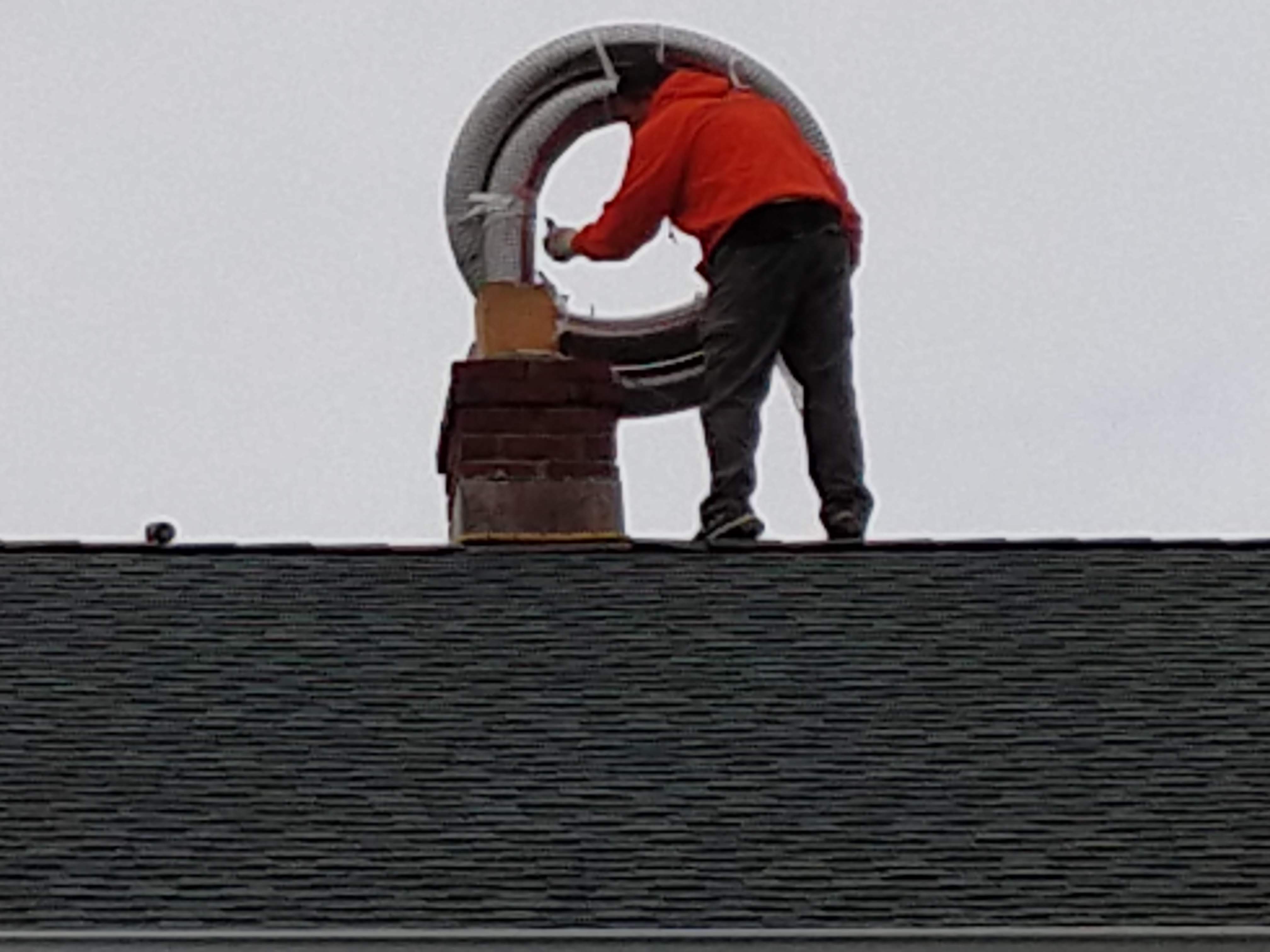
Stainless steel liners solve both of these problems simultaneously. The smooth interior surface of a stainless steel liner ensures optimal draft characteristics, allowing exhaust gases to exit the home quickly and completely. The material's corrosion resistance means it will continue performing at peak efficiency for decades, even in the salt-laden air that West Hampton residents experience. When Douglas Eberling installs a stainless steel liner in a West Hampton home, we're not just fulfilling a requirement, we're investing in the long-term performance and safety of your heating system. We've been serving Long Island homeowners since 2001, and we've installed countless stainless steel liners in homes throughout West Hampton, Eastport, and surrounding areas.
We understand the specific challenges that West Hampton properties face, and we know how to select, size, and install liners that will deliver years of reliable, efficient service.
The efficiency gains from a properly installed stainless steel chimney liner often surprise homeowners who have just completed an oil-to-gas conversion. Because gas appliances are inherently more efficient than oil systems, and because a stainless steel liner allows the appliance to operate at its designed specifications without restriction, the combined effect is substantial. Your new gas furnace or boiler can achieve its rated Annual Fuel Efficiency (AFUE) rating without compromise. There's no energy wasted due to drafting problems, no fuel consumed to compensate for system inefficiency, and no lost efficiency each month. For residents of Westhampton who heat with propane rather than natural gas—which is common in certain neighborhoods that lack municipal gas infrastructure—a stainless steel liner is even more critical.
Propane systems are sensitive to flue design and require a precisely sized, smooth-walled liner to prevent condensation buildup and to maintain proper combustion air supply. A stainless steel liner installation works immediately—your system runs more efficiently and safely from day one, and keeps performing that way for decades. Beyond that, you don't have to worry about a deteriorated chimney causing problems down the road. Homeowners in Westhampton who have made the transition from oil to gas consistently report that knowing their flue system is modern, safe, and properly engineered makes the installation worth it many times over.
Safety considerations make stainless steel chimney liner installation required for West Hampton homeowners, particularly those living in older properties where the original chimney may have been constructed without modern safety standards in mind. Chimneys that lack proper liners, or that have deteriorated liners, create several serious hazards. Unlined masonry chimneys allow combustion byproducts to seep through cracks and gaps in the mortar, contaminating wall cavities and potentially entering living spaces. Carbon monoxide, a silent and deadly gas, can accumulate in a home with a malfunctioning flue system. Deteriorated or absent liners can allow sparks and hot gases to contact combustible materials within the chimney structure, creating a fire hazard.
These risks exist whether your home uses oil, gas, or propane—but they become especially acute during the heating season, which for residents of West Hampton typically runs from November through March, sometimes extending into April during particularly cold years. During these months, your heating system operates frequently and for extended periods, meaning the flue system is constantly exposed to hot, corrosive exhaust. A stainless steel liner contains all of this material safely within the flue, preventing contact with masonry, wood framing, or any other combustible materials. It also maintains the necessary draft characteristics to ensure complete evacuation of exhaust gases, reducing the risk of backdrafting and carbon monoxide accumulation. For families living in West Hampton, especially those with children, elderly relatives, or anyone with respiratory sensitivity, this safety margin is important.
As fall arrives and West Hampton residents begin preparing their homes for winter, now is the ideal moment to address chimney and flue system concerns, particularly if you're in the midst of or planning an oil-to-gas heating conversion. The mild autumn weather makes the installation process straightforward and efficient, and completing the work before heating season begins means your system will be ready to perform at its best when you need it most. Homes in West Hampton that wait until winter to address chimney issues often find themselves facing emergency situations—a system failure during a cold snap, or discovering mid-season that their new gas heating system isn't performing as expected because the flue system wasn't properly prepared. DME Maintenance is ready to help West Hampton homeowners avoid these scenarios.
DME Maintenance serves every street in West Hampton. We have been cleaning chimneys on Long Island long enough to know exactly what local homes need — from older clay-lined flues in pre-war houses to modern stainless steel liner systems in newer construction.
We've spent 2001 serving Long Island communities, and we have the expertise and experience to evaluate your current chimney system, recommend the right stainless steel liner solution for your specific home and heating setup, and complete the installation with careful, thorough work. Whether you're converting from oil heat to gas, replacing a deteriorated liner in an older West Hampton home, or simply wanting to ensure your heating system operates at peak efficiency and safety this winter, we're here to help. Contact DME Maintenance today at 631-316-0622 to schedule an evaluation. Autumn is the perfect time to make this investment in your home's safety, efficiency, and long-term reliability.
Don't wait until heating season is in full swing—call 631-316-0622 now and let us help you prepare your West Hampton home for a safe, comfortable, and efficient winter ahead.