West Hampton homeowners understand the unique demands that living on Long Island places on residential structures. Your home sits in one of Suffolk County, NY's most desirable waterfront communities, where the proximity to Moriches Bay and the Atlantic Ocean creates a challenging environment for masonry. The salt-laden air, combined with the region's notorious freeze-thaw cycles—where winter temperatures plummet below freezing only to climb above it again within days—creates relentless pressure on the mortar joints that bind your chimney's bricks together. Over time, this constant expansion and contraction weakens the mortar, allowing it to crack, crumble, and deteriorate. West Hampton residents often don't realize that their chimneys are silently failing until water begins seeping into their homes, damaging interior walls, insulation, and even the structural framework supporting their roofs.
This is where professional chimney pointing becomes important. At DME Maintenance, we've been serving West Hampton and neighboring communities like East Quogue and Westhampton Beach since 2001, and we've witnessed firsthand how quickly deteriorating mortar can compromise a chimney's integrity. Pointing, also called tuckpointing or repointing, involves carefully removing the failed mortar from between the bricks and replacing it with fresh, properly formulated mortar that's designed to withstand Long Island's specific climate challenges. This isn't a cosmetic repair, it's structural maintenance that protects your entire home from the devastating effects of water infiltration.
The mortar in your West Hampton chimney serves two critical functions that most homeowners overlook. First, it acts as the bonding agent that holds each brick in its proper position, creating a structurally sound stack that can safely vent dangerous combustion gases from your heating system. Second, and equally important, it serves as a weather seal that prevents rain, snow, and wind-driven moisture from penetrating into the masonry. When mortar begins to fail—a common problem in homes throughout West Hampton that were built before 1980—it loses both capabilities. Water finds its way through those microscopic cracks and gaps, seeping into the spaces behind your bricks where it has nowhere to go but into your home's interior.
For West Hampton residents who heat with oil heat, a common setup across Long Island, a compromised chimney becomes even more problematic. Your oil heating system requires a properly sealed, structurally sound chimney to operate safely and efficiently. Deteriorating mortar joints don't just allow water inside; they can also allow dangerous combustion gases to escape into your living spaces rather than venting safely to the outside. The seasonal context of West Hampton's weather makes this especially critical. Spring and summer, when mortar cures properly after application, are the ideal windows for this work. During these months, warm temperatures and lower humidity allow fresh mortar to develop the strength and weather resistance necessary to withstand another brutal Long Island winter.
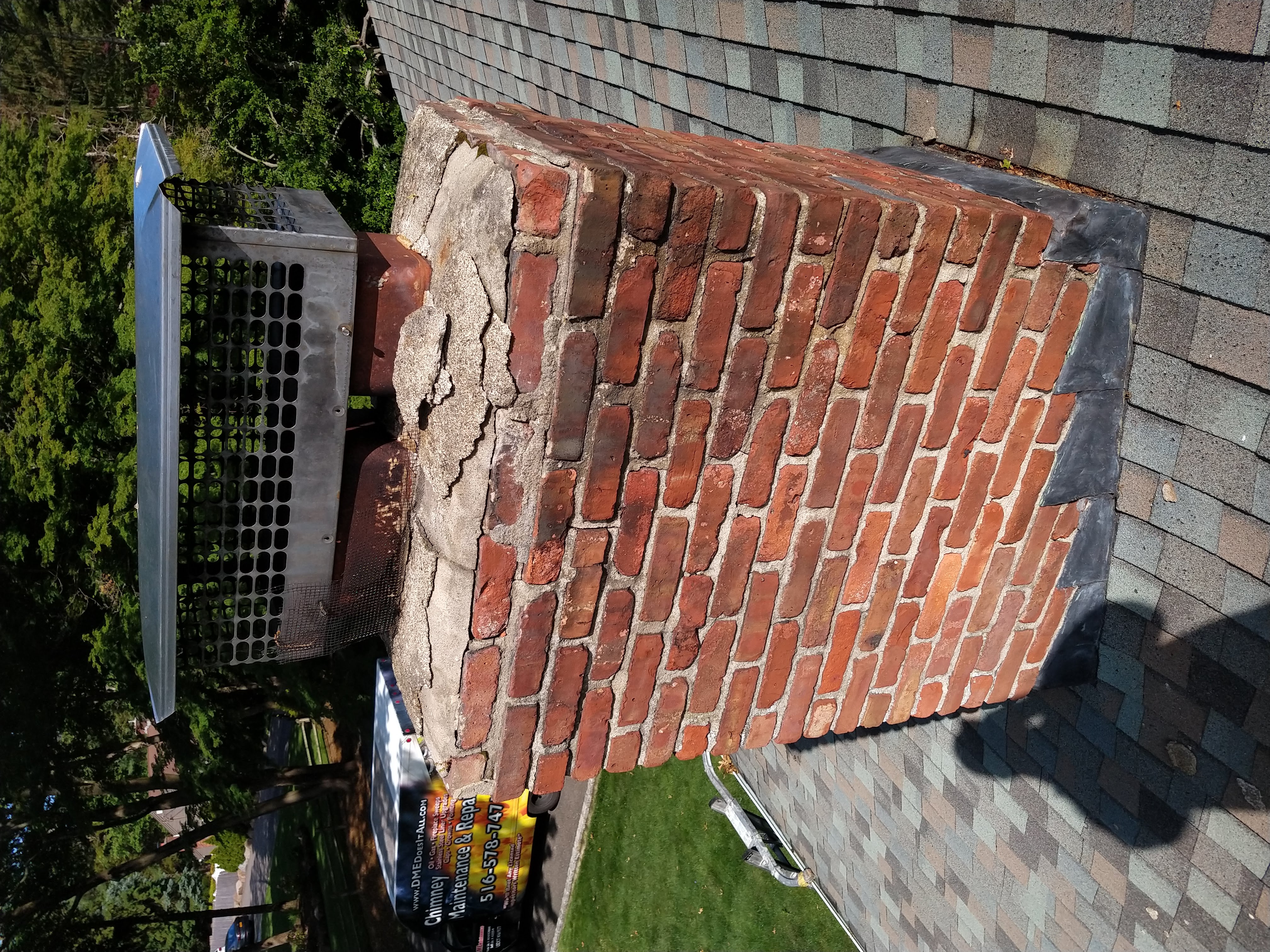
Most homes in West Hampton were built between the 1950s and 1980s, meaning their original mortar is now 40 to 70 years old. Mortar simply doesn't last that long, especially in our coastal environment. You'll know your chimney needs pointing if you notice mortar that's visibly crumbling when you run your hand along the joints, mortar that's missing entirely in spots, or bricks that appear to be shifting or separating from one another. Another telltale sign that West Hampton homeowners often miss is water staining on the interior walls near your chimney, particularly in your attic or upper floors. If you've noticed white mineral staining—white, chalky deposits on the exterior of your chimney—that's another indicator that water is actively moving through your mortar joints.
The freeze-thaw cycles that pound West Hampton through the winter months are particularly damaging to old mortar. Water seeps into tiny cracks during wet periods, then freezes as temperatures drop. Ice expands, widening those cracks further. When the temperature rises above freezing, the ice melts and more water penetrates deeper into the mortar. This cycle repeats dozens of times each winter, progressively destroying the mortar's structural integrity. Residents of West Hampton often don't realize this damage is happening because it's invisible from ground level. By the time the deterioration becomes noticeable, significant water damage may already be occurring inside your home. This is why professional inspection from experienced contractors like DME Maintenance is so valuable.
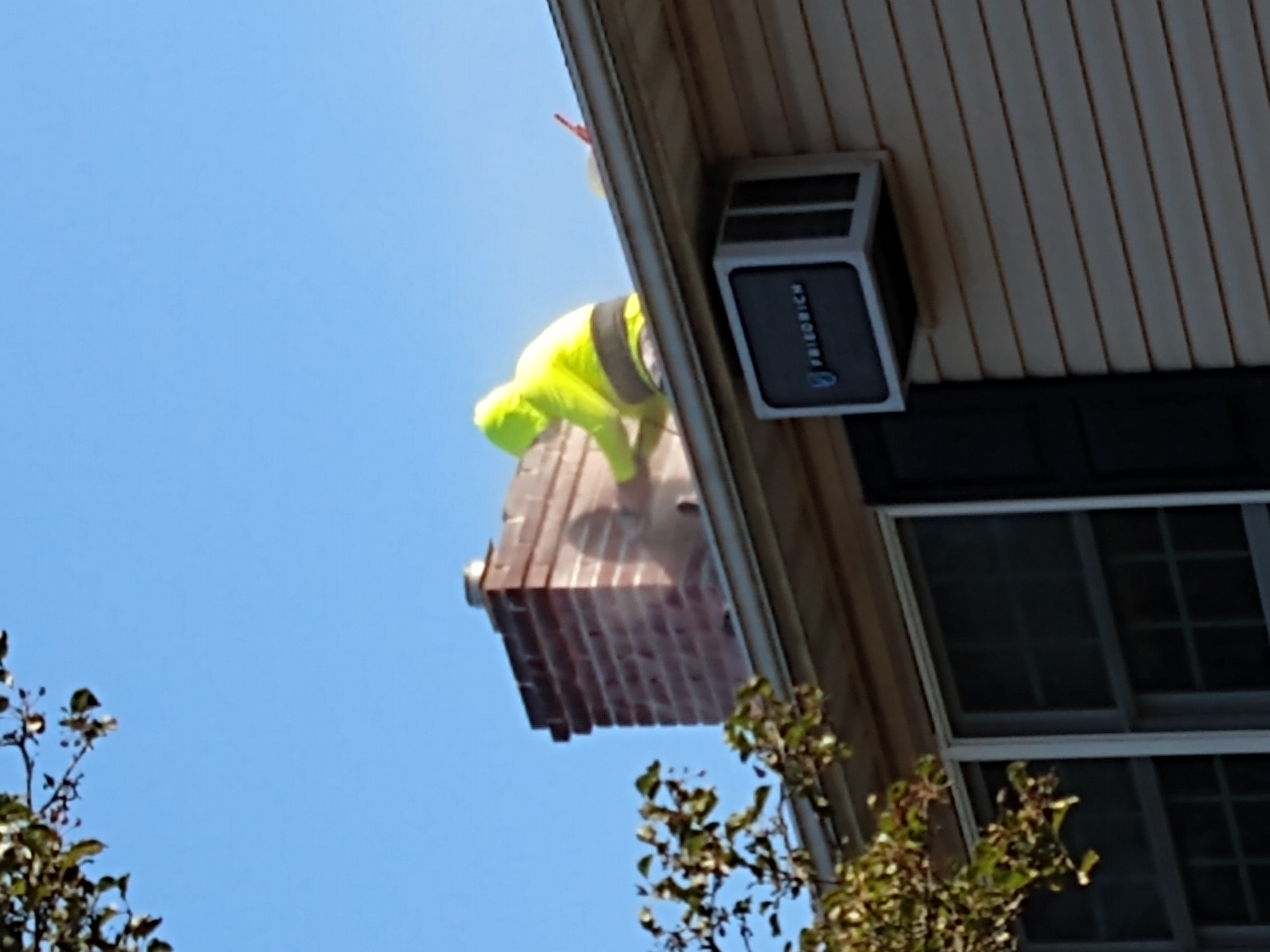
The process of chimney pointing requires skill, experience, and an understanding of masonry that goes far beyond simply slapping new mortar into old joints. DME Maintenance carefullys remove the deteriorated mortar using specialized tools, working to a depth that ensures proper bonding with the fresh mortar we're installing. This isn't rushed work—we take time to ensure every joint receives attention and that the new mortar is properly consolidated into place. For homes in West Hampton and throughout Suffolk County, NY, we select mortar formulations that are specifically appropriate for your chimney's age, brick composition, and the local climate.
Using the wrong mortar type is a common mistake that leads to premature failure; the new mortar must be softer and more porous than the bricks themselves, so that it sacrifices itself to protect the masonry rather than the reverse. Spring and summer work windows are critical because mortar requires proper curing conditions. Cold temperatures slow curing, while excessive heat can cause mortar to dry too quickly and crack. The moderate temperatures and humidity levels of West Hampton's spring and summer months create ideal conditions for mortar to cure slowly and develop full strength. West Hampton homeowners who delay pointing work into fall or winter are basically gambling with their home's integrity.
If you wait until November to have work done, the mortar won't cure properly before the freezing weather arrives, and you may find that the new mortar fails within a single season. This is why experienced contractors emphasize the importance of scheduling pointing work during optimal seasonal windows.
Water infiltration through failing chimney mortar is one of the most serious problems a Westhampton homeowner can face because damage occurs gradually and often invisibly. Water trickling through deteriorated joints in your chimney can soak your attic insulation, promoting mold growth and reducing your insulation's effectiveness. It can run down the interior of your chimney's exterior walls and into your home's structure, damaging floor joists and wall framing. It can seep into your living spaces, staining drywall and creating conditions where mold and mildew thrive. For Westhampton residents, the age of most local homes combined with freeze-thaw cycles and wet weather means your chimney mortar faces constant stress and needs regular maintenance.
The moisture and wind exposure here is particularly corrosive to traditional mortar, accelerating its deterioration. If you're comparing Westhampton to neighboring communities like East Quogue or Westhampton Beach, you'll find the same pattern: homes built decades ago with mortar that's now at or past its functional lifespan. The good news is that professional chimney pointing stops this damage at its source. By repointing your chimney with properly formulated mortar and ensuring the work is done during spring or summer when curing conditions are optimal, you're protecting not just your chimney but your entire home's structural integrity. Westhampton homeowners who invest in timely pointing work avoid the major repairs that water damage eventually requires.
DME Maintenance serves every street in West Hampton. We have been cleaning chimneys on Long Island long enough to know exactly what local homes need — from older clay-lined flues in pre-war houses to modern stainless steel liner systems in newer construction.
Douglas Eberling has been protecting Long Island homes since 2001, and we've built our reputation on doing this work right. We understand the specific challenges that Westhampton homeowners face—the freeze-thaw cycles that crack mortar, the age of most local housing stock, and how water works into joints and causes damage. We know that spring and summer represent your best opportunity to get pointing work completed with the confidence that it will cure properly and last for decades. If you've noticed any signs of mortar deterioration on your chimney, or if you simply want a professional assessment of your chimney's condition, don't wait for water damage to force the issue. Contact DME Maintenance today at 631-316-0622 to schedule an inspection.
Our experienced technicians will evaluate your chimney's mortar joints, discuss what we find with you, and provide you with clear information about whether pointing work is needed. Spring and summer are already underway, and the optimal window for this work won't last forever. Call 631-316-0622 now and take control of your chimney's health before the next Long Island winter arrives.