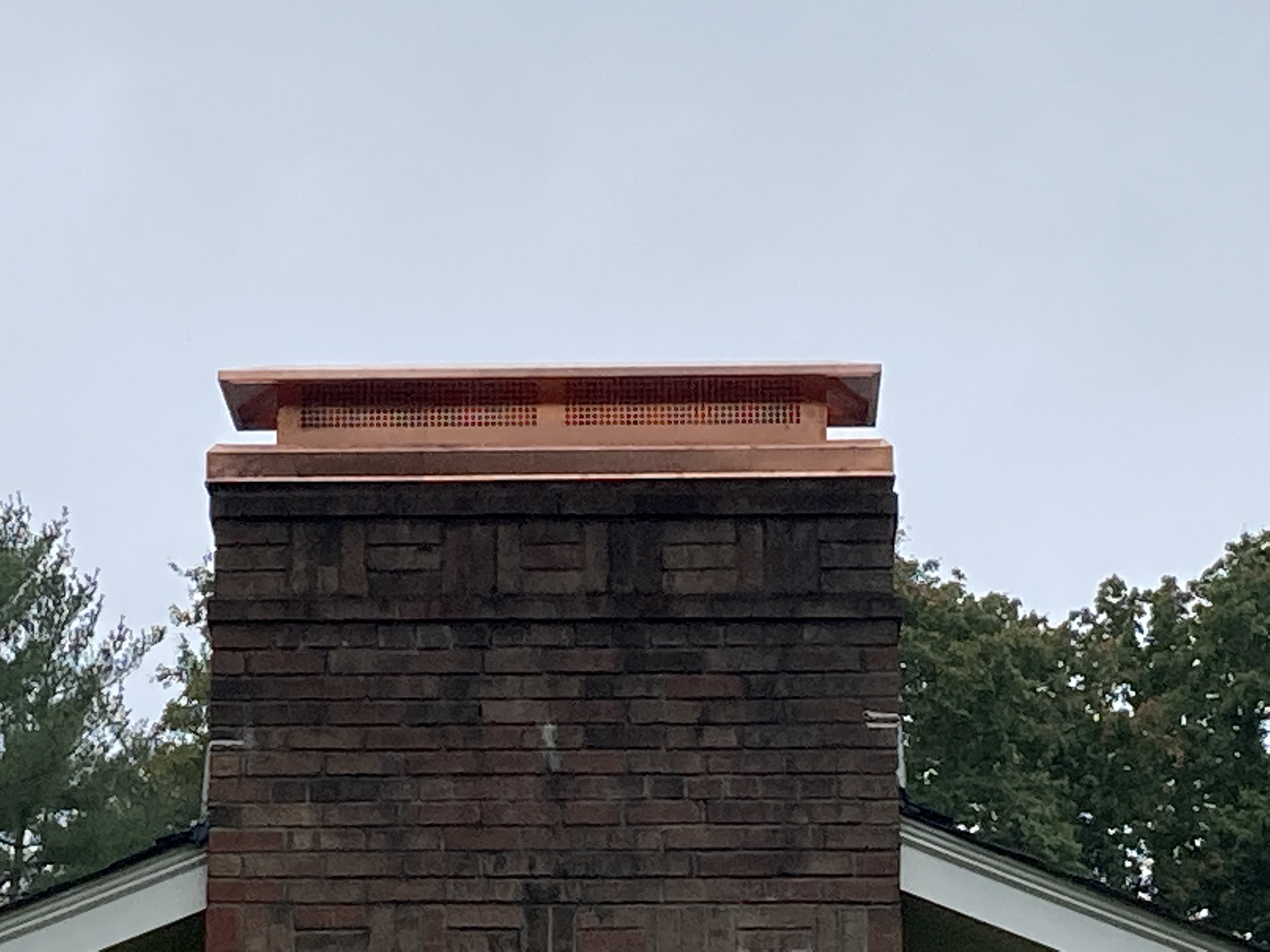
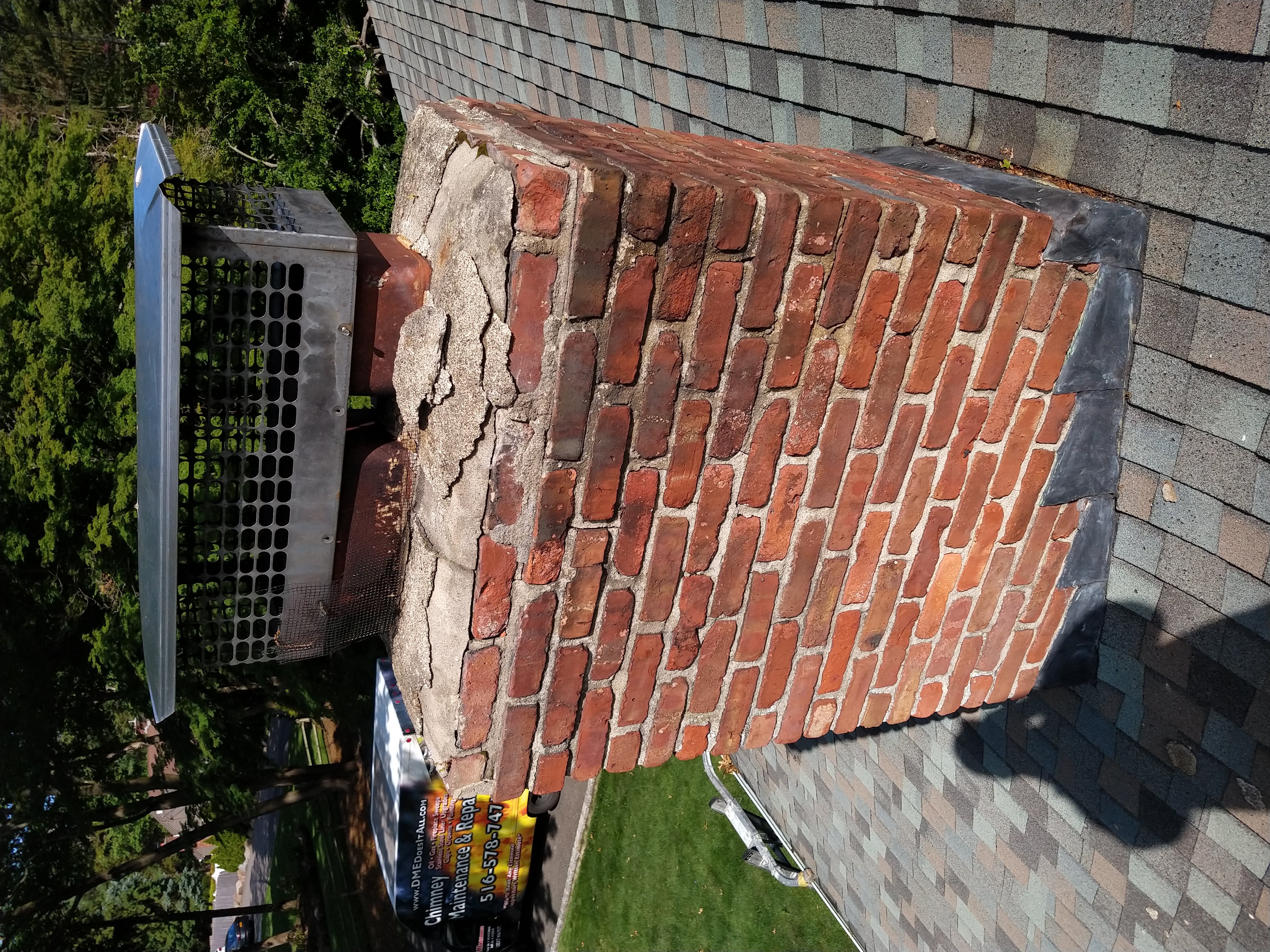
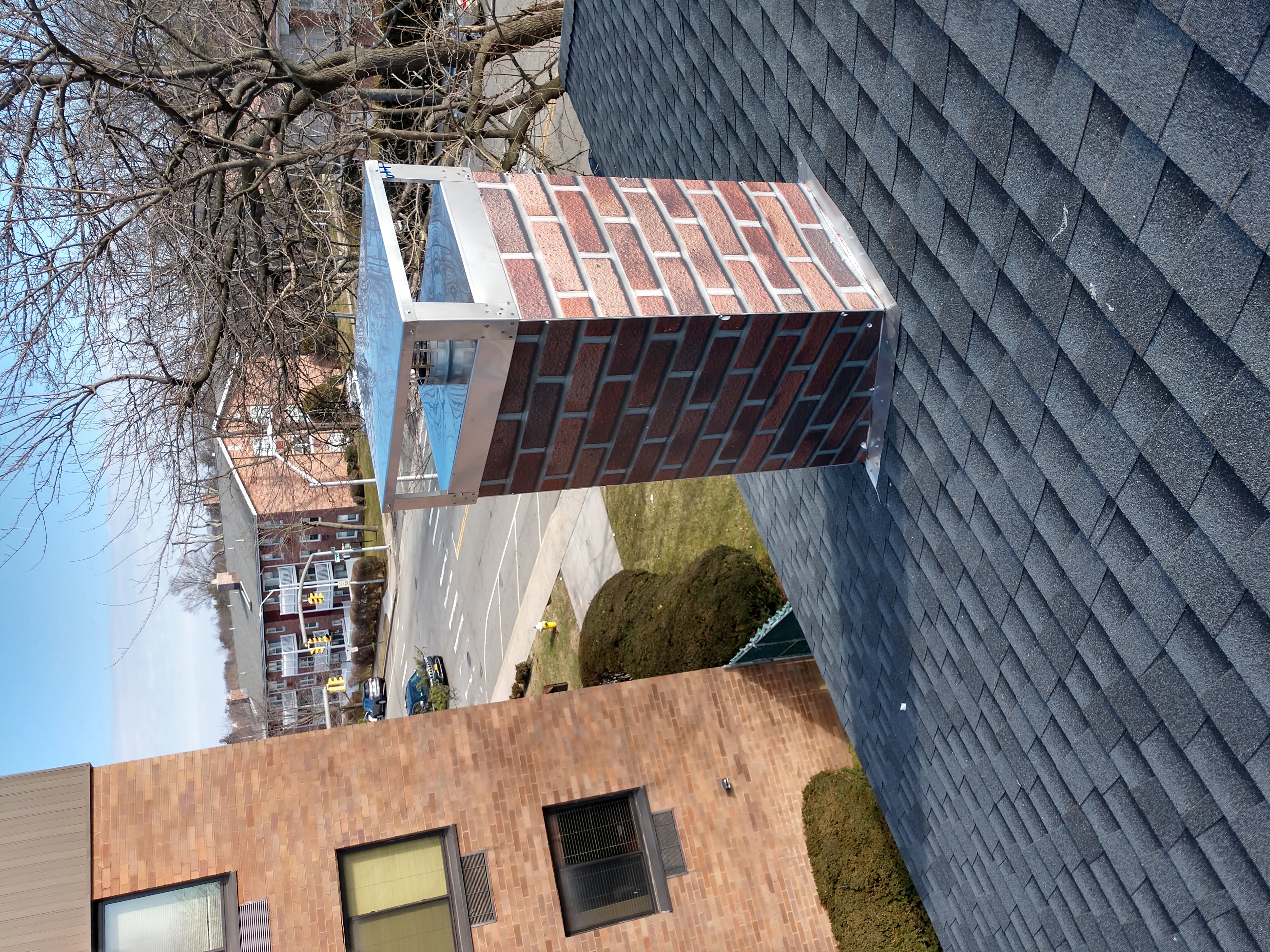
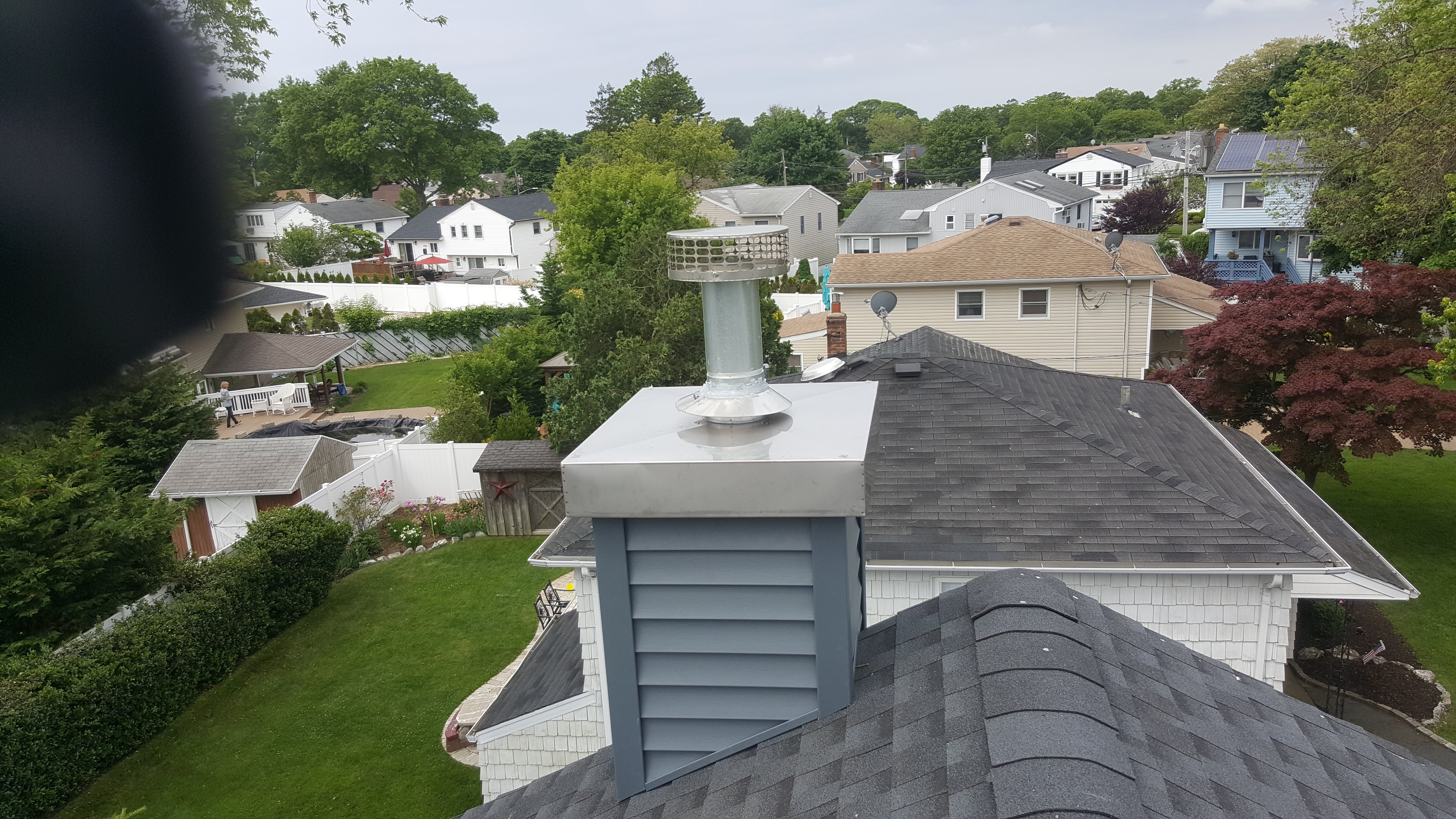
If you own a home in West Hampton, there's a good chance your chimney crown has already weathered countless seasonal cycles—and it might be showing its age. The chimney crown is basically your flue's umbrella, a sloped protective cap that sits at the very top of your chimney stack and shoulders the responsibility of keeping everything beneath it dry. It's poured from concrete or built up with mortar, and it's designed to shed rainwater away from the central flue opening and direct it off the edges of the chimney entirely.
For homes in West Hampton that rely on oil heat—which is practically standard across Suffolk County, your chimney is working hard during the cold months, and any water intrusion caused by a failing crown can quickly turn a minor issue into a major structural problem. The crown literally sits between your home and the elements, making it arguably the single most important component of your entire chimney system. When we inspect chimneys across West Hampton and surrounding communities like Quogue and East Quogue, a compromised crown is what we find most often, and homeowners are frequently shocked to learn how much damage has already occurred behind the scenes.
West Hampton homeowners face a particular set of challenges for chimney maintenance. The area's weather patterns include moisture-laden winds and dramatic freeze-thaw cycles that are particularly harsh on masonry. Homes in West Hampton that were built in the 1970s, 1980s, and 1990s—which make up a significant portion of the residential stock here—often have original crowns that are now decades past their expected lifespan. Concrete crowns, while durable when properly maintained, are not immune to the effects of repeated freezing and thawing. The seasonal temperature swings cause expansion and contraction that creates tiny cracks, and those cracks become pathways for water.
Once water enters a failing crown, it doesn't just sit there, it seeps down into the brick and mortar joints below, where it freezes in winter and expands, causing additional cracking and separation. Homeowners in West Hampton who wait until spring to address a cracked crown may find that winter freeze-thaw cycles have already caused thousands of dollars in additional damage inside the chimney structure and sometimes even in the interior walls of the home.
A cracked or deteriorating chimney crown is particularly insidious because the damage it causes often happens out of sight. Water trickling down past a compromised crown enters the flue liner and the brick structure, where it works silently to undermine the system's integrity. In homes throughout West Hampton, we've seen cracked crowns lead to deteriorated mortar joints between bricks, rust and deterioration of metal components inside the chimney, damage to the damper mechanism, and even moisture problems in the living spaces adjacent to the chimney. The crown's sloped design is important—it needs to channel water outward and downward, away from the flue opening—and when cracks or missing sections compromise this design, water pools in places where it shouldn't be.
Residents of West Hampton who notice water stains on the exterior walls of their homes near the chimney, or who smell musty odors coming from their fireplaces or heating systems, often discover upon inspection that crown failure is the culprit. The water entry might be gradual and barely noticeable at first, but by the time visible damage appears inside the home, the underlying problem has often been progressing for months or even years. This is why addressing crown damage before the rainy season and before winter arrives is so critical, you're stopping the problem at its source, at the very top of the system.
Before the rainy season arrives and before winter weather settles in over Suffolk County, NY, homes in West Hampton should receive a professional chimney inspection that specifically evaluates the crown's condition. We look for visible cracks, missing pieces, mortar erosion around the base of the crown, and areas where the slope has been compromised by settling or previous repairs. West Hampton homeowners should understand that not all crown damage is obvious from the ground—sometimes it requires getting up on the roof and conducting a hands-on inspection to identify hairline cracks or areas where the crown is pulling away from the flue liner.
We also check whether the crown has adequate overhang—the crown should extend past the outside edge of the chimney by at least an inch or two all the way around, which helps direct water away from the chimney face itself. In West Hampton, where homes range from modest ranch-style properties to larger colonials spread throughout neighborhoods from the center of town out toward the water, chimney conditions vary widely based on age, maintenance history, and exposure. Some crowns may only need minor patching or sealing, while others require complete reconstruction. The key is identifying the extent of the problem before water damage spreads further into the brick, mortar, and interior structure of your chimney and home.
The best time to address chimney crown issues is right now—before the increased rainfall of the spring season and before the heating demands of winter force you to rely on your chimney. DME Maintenance has been serving West Hampton and all of Suffolk County, NY since 2001, and we've built our reputation on thorough inspections and honest assessments of what your chimney actually needs. We understand the specific challenges that Long Island homes face, from the salt-laden air near the water to the clay soils and basement water issues that are common across Suffolk County.
When we evaluate a chimney crown, we're not just looking at the crown itself—we're assessing how it's performing as part of your entire chimney system, and we're providing you with clear guidance on whether you need minor repairs, crown sealing, or complete crown replacement. Our licensed professionals have repaired and rebuilt hundreds of crowns on homes throughout West Hampton, from properties in the center of town to homes closer to Shinnecock Bay, and we know how to handle whatever West Hampton's weather throws at your chimney. We use quality materials that are designed to withstand the harsh coastal conditions of Long Island, and we focus on work that keeps water out and your chimney functioning properly for years to come.
DME Maintenance serves every street in West Hampton. We have been cleaning chimneys on Long Island long enough to know exactly what local homes need — from older clay-lined flues in pre-war houses to modern stainless steel liner systems in newer construction.
If you're a homeowner in West Hampton and you haven't had your chimney crown inspected recently, or if you've noticed any signs of water entry, deterioration, or damage near your chimney, don't wait for the problem to worsen. The rainy season will be here soon, and winter is never far behind on Long Island. A compromised crown is a ticking clock—water intrusion that begins in spring or summer causes damage that compounds through the freeze-thaw cycles of winter, and by spring again you may be facing significant repairs to the brick, mortar, flue liner, and interior structure of your home. Contact DME Maintenance today at 631-316-0622 to schedule a professional chimney crown inspection. We'll provide you with an honest assessment of your chimney's condition and clear recommendations for protecting your home.
Whether your West Hampton home needs minor crown repairs or a complete rebuild, we're here to make sure your chimney continues to serve as the effective first line of defense it was designed to be. Call 631-316-0622 now and take control of your chimney's future before the weather does the deciding for you.